
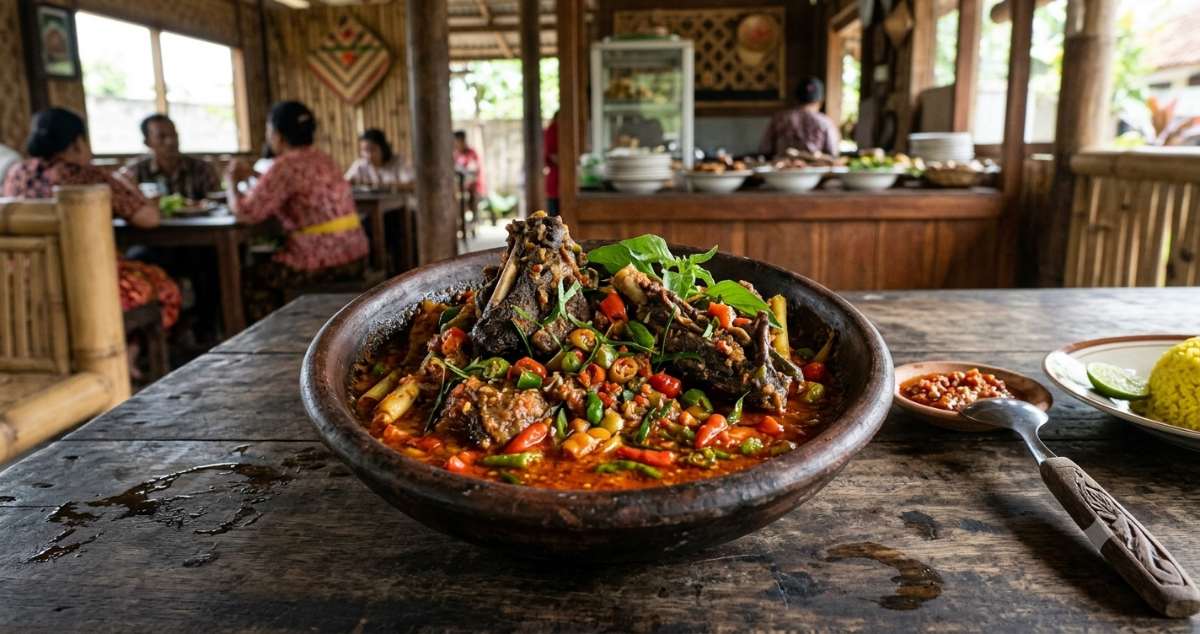
In the lush, volcanic region of North Sulawesi, Indonesia, locals have perfected the art of transforming unusual ingredients into culinary masterpieces. One of their most famous creations is Paniki, a traditional dish made from fruit bats, locally known as codot. While the idea of eating bat might sound extreme to many, Paniki holds a special place in Manado’s rich food culture. The meat is often compared to chicken but with a richer, more savory flavor, making it a unique and unforgettable experience for adventurous eaters.
For those fascinated by other unique protein sources from around the world, fried tarantula from Cambodia or escamoles from Mexico offer similarly surprising culinary adventures.
So, what makes Paniki so special? This dish comes in two popular variations. The first is Paniki Kuah Santan, where the bat meat simmers in a rich, spicy coconut milk broth. The second is Paniki Rica-Rica, the signature Manado-style preparation featuring a fiery paste of chili, shallots, ginger, and turmeric. Both versions deliver a complex flavor profile that Minahasa people have loved for generations. The meat has a dark, firm texture similar to duck or rabbit, and absorbs spices beautifully.
If you enjoy rich, coconut-based curries, you might also want to explore bouillon de poule from Cameroon or khash from the Middle East.
To understand more about Indonesia’s incredible culinary diversity, check out the official Indonesia tourism website’s culinary section.
Key Insight: Paniki is a testament to the Minahasa people’s resourcefulness, turning wild fruit bats into a beloved local delicacy despite their fruit-eating diet making them safe to consume.
How Paniki Is Prepared
The preparation of Paniki is a detailed process that requires skill and patience. Here’s the traditional method:
- Step 1: First, the hunters catch fruit bats using nets, as they’re considered pests in local fruit orchards.
- Step 2: Then, they singe the bat over an open flame to remove all hair and give the skin a slightly smoky flavor.
- Step 3: Next, they clean and butcher the bat, removing the guts and washing it thoroughly with lime juice to eliminate any gamey taste.
- Step 4: After that, they cut the meat into pieces and boil it until tender.
- Step 5: Finally, they cook the meat in a rich paste of chili, shallots, garlic, ginger, and turmeric. For Paniki Kuah Santan, they add coconut milk and basil.
For other extreme dishes that require thorough preparation, explore fugu preparation in Japan or casu marzu from Italy.
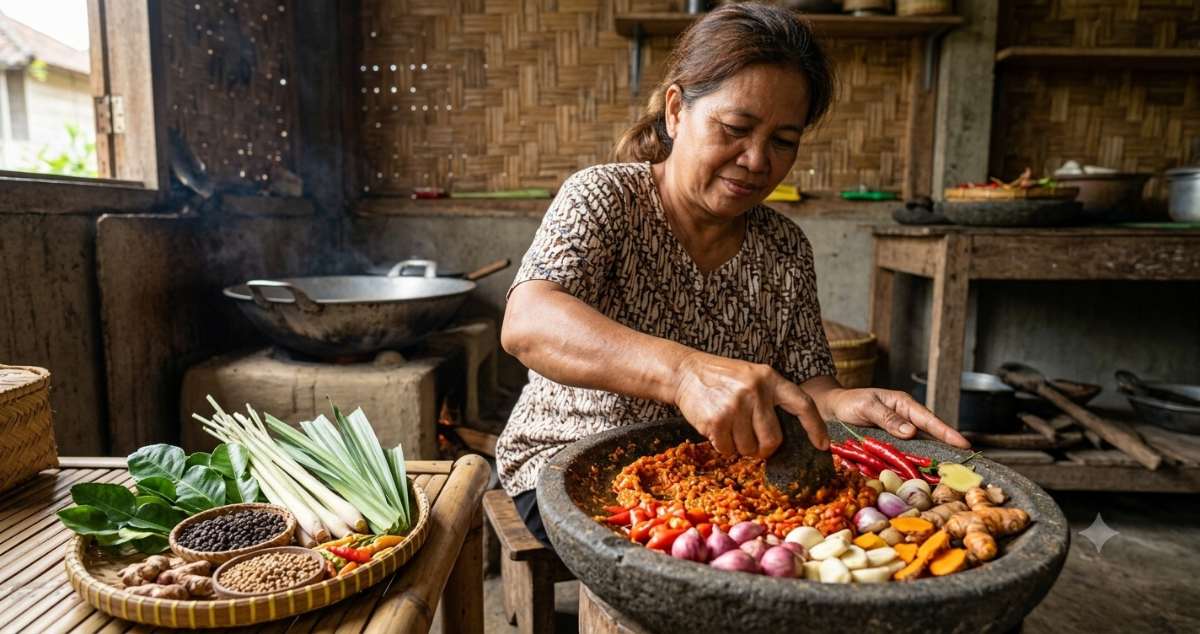
— grinding the traditional spice paste that gives Paniki its signature flavor.
What Does Paniki Taste Like?
Adventurous eaters often ask, “What does bat taste like?” The answer might surprise you. Many people describe Paniki as similar to chicken or duck, but with a darker, more flavorful meat. The texture is firm and slightly gamey, almost like rabbit. The rich, smoky notes from the singeing process add an extra layer of depth that you won’t find in ordinary poultry.
However, the real magic comes from the rica-rica sauce. This fiery blend of bird’s eye chili, shallots, garlic, ginger, and turmeric creates an explosion of heat and flavor that perfectly balances the meat’s richness. For the coconut milk version, the creamy broth mellows the spice, creating a comforting, soul-satisfying dish that locals adore.
If you enjoy bold, spicy flavors, you might also want to try dawa from Kenya or basashi from Japan.
The Cultural Significance of Paniki
For the Minahasa people of North Sulawesi, Paniki is more than just food—it’s part of their identity. This dish has been passed down through generations, traditionally served during special occasions, family gatherings, and celebrations. The Minahasa have long embraced a philosophy of using everything available to them, and wild fruit bats were an accessible protein source.
Interestingly, the fruit bat’s diet of tropical fruits like mangoes and rambutan gives the meat a subtle, natural sweetness that complements the spicy seasoning. Many locals believe the meat has health benefits, including boosting stamina. In Manado’s traditional markets, you’ll still find vendors selling freshly caught bats alongside other exotic ingredients.
For other traditional foods with deep cultural roots, explore lamb brain (mokh) from the Middle East or chicha de jora from Peru.
For more insights on the relationship between bats and food, read the Bat Conservation International’s resources on bat species.
Where to Find Paniki in North Sulawesi
Looking to try Paniki? Here are the best places to find this extreme dish:
- Manado’s traditional markets: Markets like Pasar Bersehati offer fresh bat meat and cooked versions of Paniki.
- Local warteg (food stalls): Many small restaurants and street vendors around Manado serve Paniki as their daily specialty.
- Minahasa restaurants: Full-service restaurants in Manado and surrounding areas regularly feature Paniki on their menus.
- Specialty food tour operators: Some culinary tours in North Sulawesi include Paniki in their extreme food experiences.
Before you go, remember that bat populations are protected in some regions. Always choose reputable vendors who follow sustainable practices.
If you’re planning a food tour of Indonesia, don’t miss kopi luwak or phuchka from India.
Health Advisory: Bats are known carriers of viruses, including zoonotic diseases. Consuming bat meat carries potential health risks. Always ensure the meat is thoroughly cooked at high temperatures to reduce any risk. Exercise caution and make informed choices.
Key Takeaways:
• Paniki is a traditional Indonesian dish from North Sulawesi made from fruit bats (codot).
• It comes in two main varieties: coconut milk-based (Paniki Kuah Santan) and spicy rica-rica style.
• The meat has a dark, firm texture similar to duck or chicken, with a rich, gamey flavor.
• The dish is seasoned with a fiery paste of chili, garlic, shallots, ginger, and turmeric.
• You can find Paniki in traditional markets and local restaurants in Manado.
• Always ensure proper cooking and choose sustainable sources when consuming.
Ready to explore more extreme Indonesian cuisine?
Follow EatSleepPush for more adventurous food guides from around the world.