
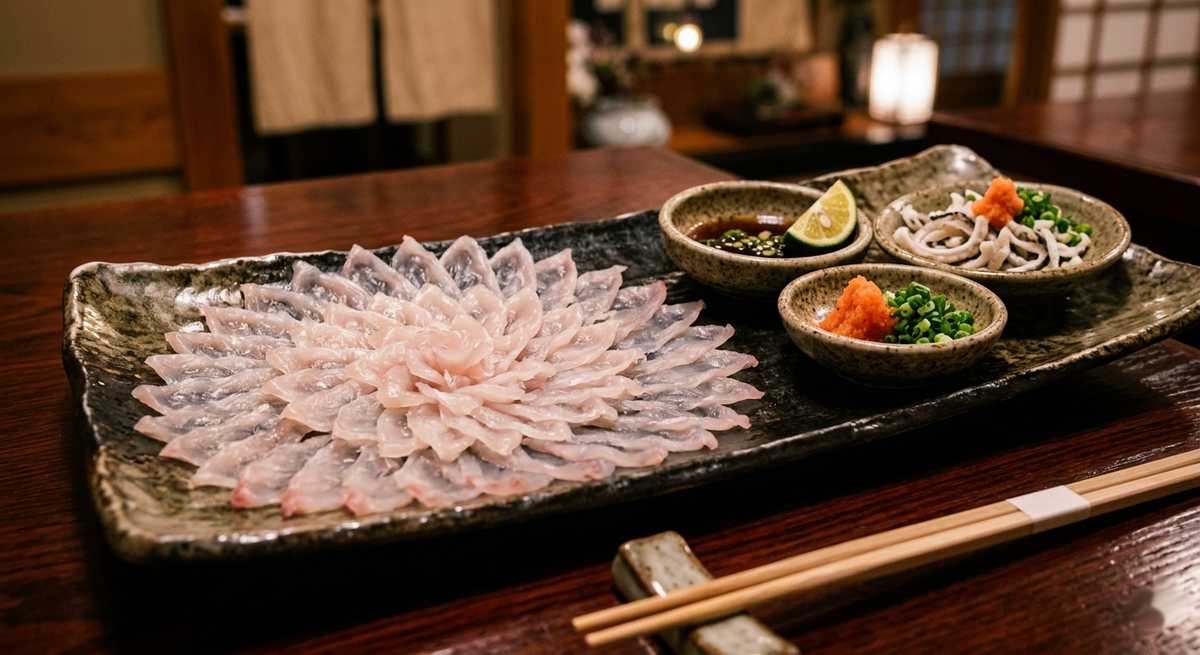
Fugu sashimi arranged in an intricate chrysanthemum pattern — a true test of the chef’s knife skills.
In the refined world of Japanese cuisine, there exists a dish that carries the ultimate stakes: fugu, the pufferfish that contains a toxin 1,200 times more deadly than cyanide. A single mistake in preparation means almost certain death. Yet, for centuries, Japanese gourmands have paid premium prices for this potentially lethal delicacy. Fugu represents the pinnacle of Japanese culinary philosophy — where danger and beauty intersect, and where dining becomes an act of profound trust.
The toxin, tetrodotoxin (TTX), is concentrated in the liver, ovaries, intestines, and skin. One pufferfish contains enough toxin to kill 30-40 adults, and there is no known antidote. Proper preparation requires complete removal of toxic organs without contaminating the edible flesh — a task so dangerous that only licensed chefs can prepare it. Becoming a fugu chef takes 2-3 years of apprenticeship, and only 30% pass the licensing exam on their first attempt.
For those interested in other unique Japanese foods, try natto (fermented soybeans) or shiokara (fermented seafood).
Want to learn more about this deadly delicacy? Read National Geographic’s article on fugu or explore BBC’s feature on fugu chefs.
Key Insight: Despite its fearsome reputation, only 23 deaths from fugu occurred in Japan between 2010-2020. Properly prepared restaurant fugu has an excellent safety record.
Taste, Texture, and Where to Eat
The most classic preparation is fugu sashimi (fugusashi) — translucent slices arranged in intricate patterns (chrysanthemum or crane shapes). The texture is chewy and resilient, the taste very subtle and mildly sweet with oceanic notes. Served with ponzu sauce and momiji oroshi (grated daikon with chili). Other preparations include fugu hot pot (fugu-chiri), deep-fried fugu (karaage), and fugu hire-zake (grilled fins steeped in hot sake).
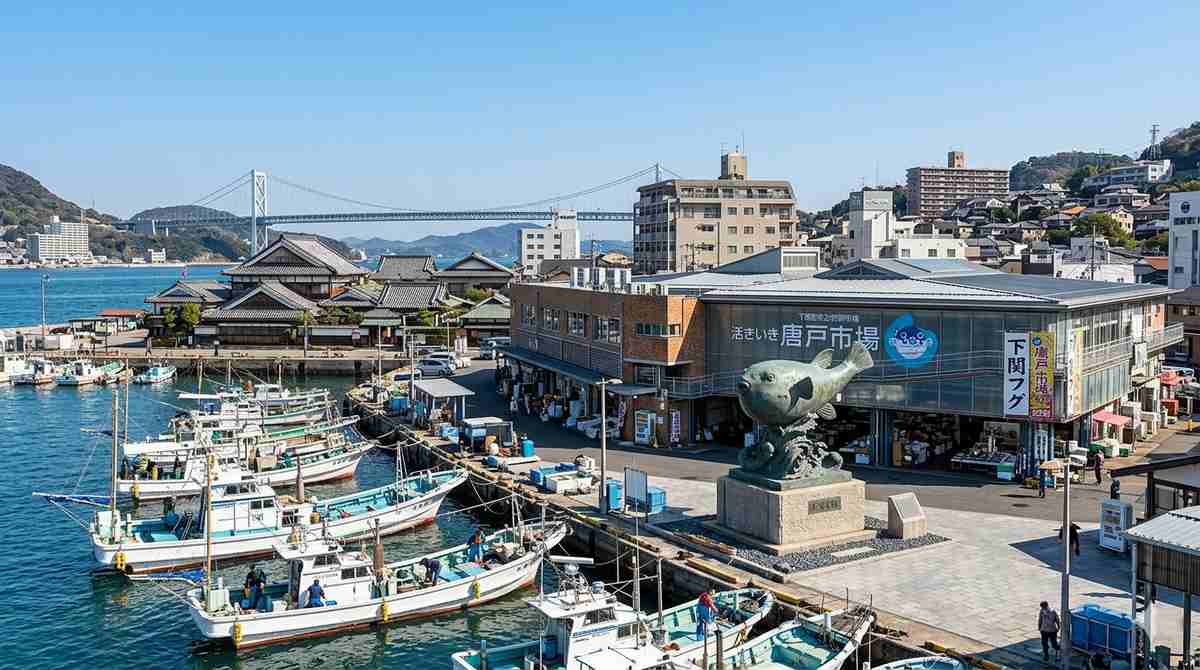
The best place to try fugu is Shimonoseki, the “Fugu Capital of Japan,” where the ban was first lifted in 1888. Expect to pay ¥5,000-¥30,000 per person ($35-$200 USD). Peak season is winter (October-March) when the fish is fattest. Always choose licensed restaurants with the official fugu license displayed.
For adventurous eaters seeking other extreme experiences, try sannakji in South Korea.
Fugu hire-zake — hot sake infused with grilled fugu fins, a traditional winter warmer.
Safety and Should You Try It?
Modern safety measures include strict licensing, regular inspections, and farm-raised fugu with controlled diets (significantly less toxic). Pregnant women should absolutely avoid fugu due to risk of tetrodotoxin exposure. If you feel lip or tongue tingling after eating, seek immediate medical attention — respiratory support can save your life even without an antidote.
For the adventurous diner, fugu offers a unique cultural experience, the thrill of controlled risk, and appreciation of culinary mastery. The subtle, elegant flavors may not match the drama of its reputation, but the story you’ll tell is unforgettable.
For more information on food safety and seafood, check out WHO’s food safety guidelines.
Key Takeaways:
• Fugu contains tetrodotoxin, 1,200x deadlier than cyanide — no antidote exists
• Only licensed chefs (2-3 years training) can prepare it; 30% pass rate
• Taste is subtle and mild, texture is chewy and resilient
• Best experienced in Shimonoseki (“Fugu Capital”) or Tokyo’s high-end restaurants
• Cost: ¥5,000-¥30,000 ($35-$200) per person
• Only 23 deaths recorded in Japan from 2010-2020 — restaurant fugu is very safe
Ready to Risk It All for Fugu?
Follow EatSleepPush for more extreme food guides from around the world.