
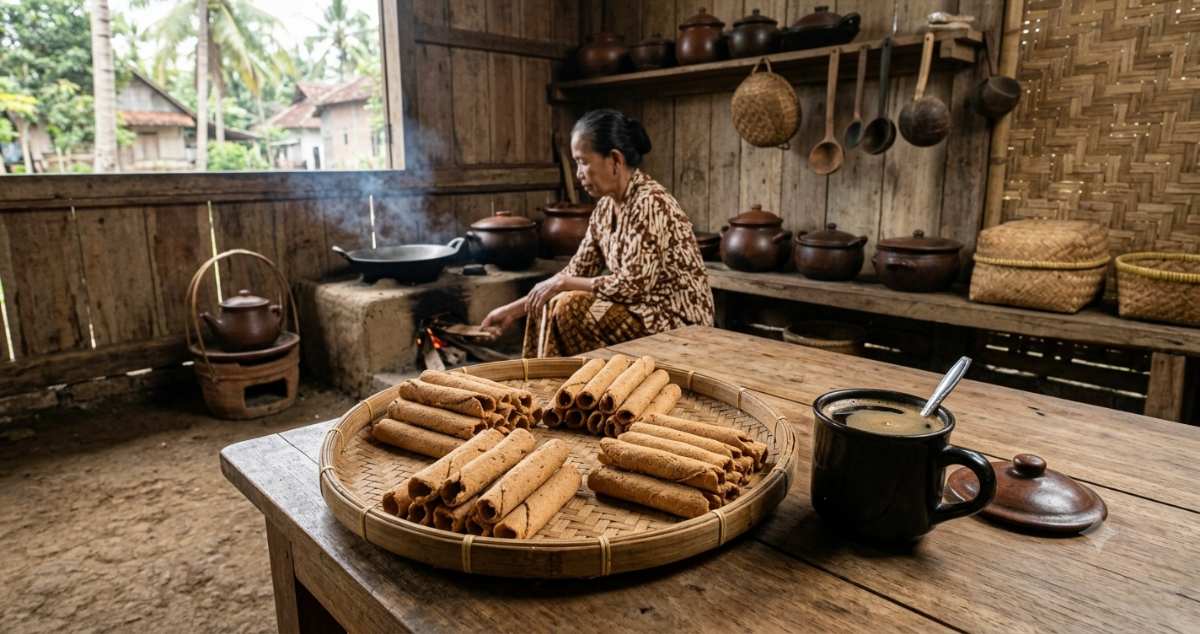
Imagine biting into a crunchy snack made entirely from clay. In Tuban, a regency in East Java, Indonesia, this isn’t imagination—it’s reality. Ampo is a traditional snack made from pure, baked clay that locals have enjoyed for centuries. While eating soil might sound extreme to outsiders, this unique delicacy holds deep cultural significance and is believed to offer health benefits, particularly for digestion and cooling the body from “panas dalam” (internal heat).
For those intrigued by other traditional Indonesian extreme foods, belalang goreng from Yogyakarta and saren from Java offer similarly unique culinary adventures.
So, what makes Ampo so special? This snack dates back to the Dutch colonial era when food was scarce. The people of Tuban created Ampo as a survival food using alluvial clay deposits from the Bengawan Solo River. Today, makers use specially selected dark, gravel-free clay from rice paddies in Desa Bektiharjo, Kecamatan Semanding. The process transforms raw earth into edible rolls through cleaning, shaping, sun-drying, and smoking over wood fires for about 30 minutes to an hour.
The result is a savory, slightly smoky snack with a crunchy texture that locals enjoy with hot coffee or tea. Many believe it helps with stomach discomfort, nausea, and internal heat. If you appreciate unique traditional foods with fascinating histories, explore paniki from North Sulawesi or witchetty grub from Australia.
To learn more about Indonesia’s unique culinary heritage, visit the official Indonesia tourism website’s culinary section.
Key Insight: Ampo represents the Javanese philosophy of resilience and resourcefulness—turning simple earth into a snack that sustained communities through famine and colonialism.
How Ampo Is Made
The production of Ampo follows traditional methods passed down through generations. Here’s the step-by-step process:
- Step 1: First, makers select pure dark clay from rice paddies, ensuring it’s free from gravel and sand. The clay must have a smooth, fine texture.
- Step 2: Then, they bring the clay home and let it rest for at least one night to achieve the right moisture consistency.
- Step 3: Next, they shape the moist clay into a block and pound it with a wooden tool called ganden until it becomes smooth and cohesive.
- Step 4: After that, they scrape the clay block using a bamboo tool called seseh, creating thin, rolled sticks that look like wafer snacks.
- Step 5: Then, they sun-dry the clay rolls until hard, reducing the smoking time needed.
- Step 6: Finally, they smoke the dried ampo in a clay pot (hirik) over a wood fire for about 30 minutes to an hour until golden-brown and ready to eat.
For other traditional preservation methods, explore fermented shark from Iceland or surströmming from Sweden.
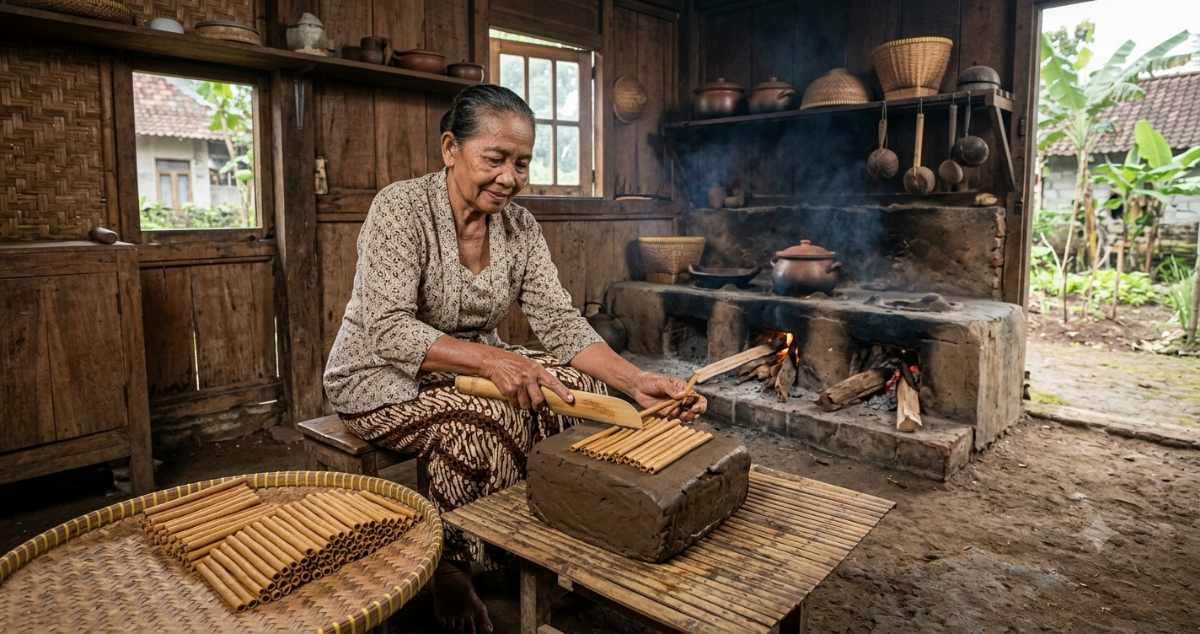
— scraping clay using the traditional bamboo seseh tool to form ampo rolls.
What Does Ampo Taste Like?
The flavor of Ampo might surprise you. It’s described as savory with a distinctive smoky aroma from the wood-fire smoking process. The texture is crunchy, similar to a wafer or cracker, but without added sugar or salt. Many locals compare the taste to the scent of a new clay pot—earthy, natural, and subtly savory.
Locals traditionally enjoy Ampo with hot coffee or tea, as the warm beverage complements the snack’s earthy notes. Some say it has a cooling effect on the stomach, making it especially popular for those experiencing “panas dalam” (internal heat).
For those who enjoy subtle, natural flavors, you might also appreciate natto from Japan or dawa from Kenya.
The Cultural Significance of Ampo
For the people of Tuban, Ampo represents resilience and survival. The tradition began during the Dutch colonial period when the forced cultivation system caused widespread famine. Facing starvation, the people discovered that the alluvial clay from the Bengawan Solo River could be processed into edible food.
Beyond survival, Ampo became part of local spiritual practices. The snack appears in traditional ceremonies like sedekah bumi (earth offerings) and selamatan panen (harvest celebrations). It’s also included in offerings for ancestors, as locals believe their forebears once relied on Ampo. Pregnant women have traditionally craved Ampo, believing it helps with nausea and improves the baby’s skin.
Today, the tradition continues through families like Rasimah’s, a fourth-generation ampo maker in Trowulan village. She produces 5-10 kilograms daily, selling at local markets and online platforms like Shopee. For other traditional foods with spiritual significance, explore chicha de jora from Peru or lasima from Gaza.
For more on geophagy traditions worldwide, read BBC’s article on the global tradition of eating earth.
Where to Find Ampo in Tuban
Looking to try this unique snack? Here are the best places to find it:
- Trowulan Village, Bektiharjo: The only active production center, run by the Rasimah family in Dusun Trowulan, Desa Bektiharjo, Kecamatan Semanding.
- Pasar Baru Tuban: Local markets sell packaged Ampo at affordable prices, typically Rp 10,000 per kilogram.
- Online marketplaces: Ampo is available on Shopee and other e-commerce platforms, allowing nationwide delivery.
- Local warungs: Some traditional food stalls in Tuban offer Ampo as a snack with coffee.
Prices remain very affordable, with 1 kilogram costing around Rp 10,000 (less than $1 USD). The snack can last for months without preservatives, making it a durable souvenir.
If you’re exploring Indonesian extreme foods, don’t miss belalang goreng from Yogyakarta or paniki from North Sulawesi.
Important Note: While locals believe Ampo offers health benefits, there is no scientific evidence supporting these claims. Geophagy (earth-eating) carries potential risks from soil contaminants, bacteria, or parasites. Only consume Ampo from reputable producers who follow traditional safety practices. Always consult medical professionals before consuming non-conventional food items.
Key Takeaways:
• Ampo is a traditional snack from Tuban, East Java, made from pure, baked clay.
• The snack originated during Dutch colonial times as a survival food during famine.
• Production involves cleaning clay, shaping into rolls, sun-drying, and smoking over wood fires.
• Locals believe Ampo aids digestion, cools internal heat, and relieves nausea.
• The snack holds cultural significance in ceremonies like sedekah bumi and as offerings for ancestors.
• You can find Ampo in Trowulan Village, Pasar Baru Tuban, and online platforms.
• Always purchase from reputable producers and exercise caution when consuming.
Ready to explore more unique Indonesian cuisine?
Follow EatSleepPush for more adventurous food guides from around the world.