
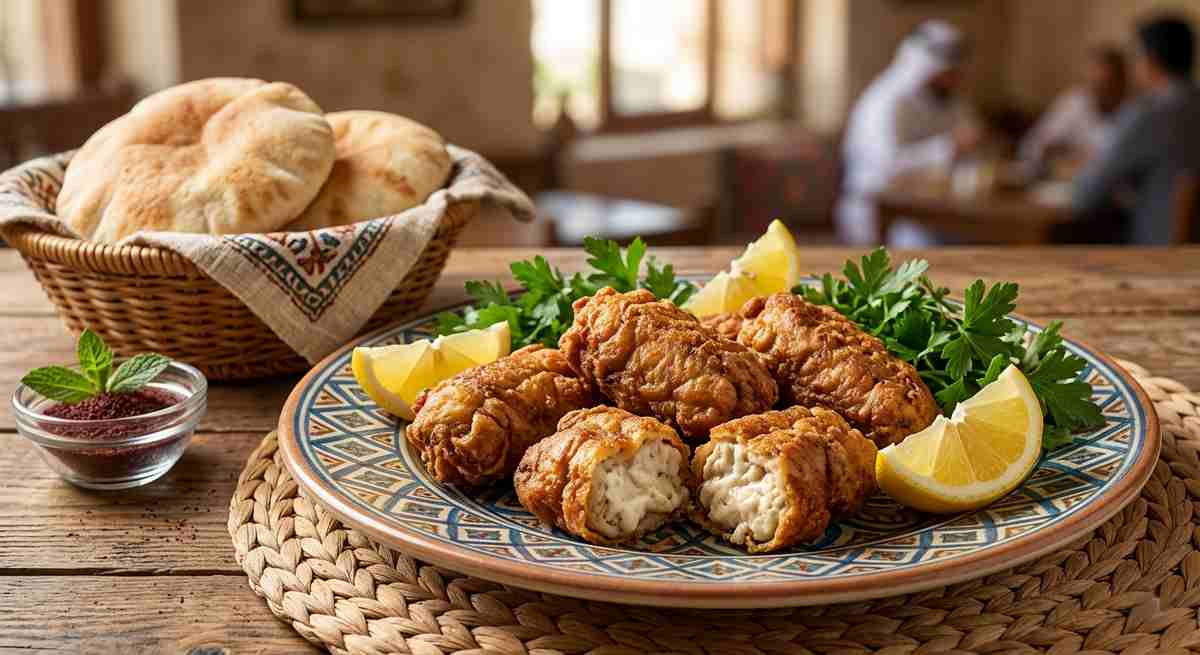
Fried lamb brain (Mokh) — crispy exterior with a creamy, velvety interior, served with lemon and fresh pita.
In the world of offal and nose-to-tail eating, few ingredients polarize diners as much as brain. But in the Middle East, lamb brain, known as Mokh (مخ), is not seen as a challenge but as a cherished delicacy. Prized for its incredibly soft, creamy texture and ability to absorb surrounding flavors, Mokh showcases the skill of turning a humble ingredient into something truly special. For those willing to look beyond preconceptions, it offers a surprisingly accessible gateway into extreme meats.
Mokh is the culinary term for the brain of a lamb or calf. Unlike other offal with strong, distinct flavors, the brain itself is remarkably mild. Its appeal lies almost entirely in its texture, often compared to silken tofu, creamy scrambled eggs, or a rich pâté. This mildness makes it a perfect canvas for vibrant spices. It’s a popular street food in Lebanon, Iran, and Iraq, as well as a home-cooked comfort food. The key to delicious Mokh is meticulous cleaning — the thin membrane and blood clots must be gently removed. The most common preparation is Mokh Maqli (fried): parboiled brains are lightly dredged in flour and pan-fried until golden brown and crisp, creating a wonderful contrast between crispy exterior and molten, creamy interior.
For those interested in other Middle Eastern delicacies, try sheep eyeballs or khash (sheep head soup).
Want to learn more about Middle Eastern offal cuisine? Read National Geographic’s article on offal traditions or explore BBC’s feature on Mokh.
Key Insight: Unlike other extreme foods, Mokh has no strong or gamey flavor. The experience is all about the luxurious, creamy texture — making it an excellent gateway into offal cuisine.
The Flavor Experience and How to Eat Mokh
Texture: Unbelievably soft and creamy — melts in your mouth with minimal chewing. When fried, the crisp outer shell gives way to a hot, velvety interior.
Flavor: Very subtle, mildly sweet, and slightly creamy — no “offal” taste. Readily absorbs flavors it’s cooked with (butter, lemon, spices).
Mokh is typically served as an appetizer (mezze) or side dish. A classic way to enjoy it is squeezed with fresh lemon juice, which cuts through the richness perfectly. It’s often accompanied by fresh warm pita bread, sliced onions and radishes (for sharp, peppery crunch), a sprinkle of sumac, and a side of tahini sauce or garlic sauce (Toum).
For other offal adventures, try Rocky Mountain oysters (USA).
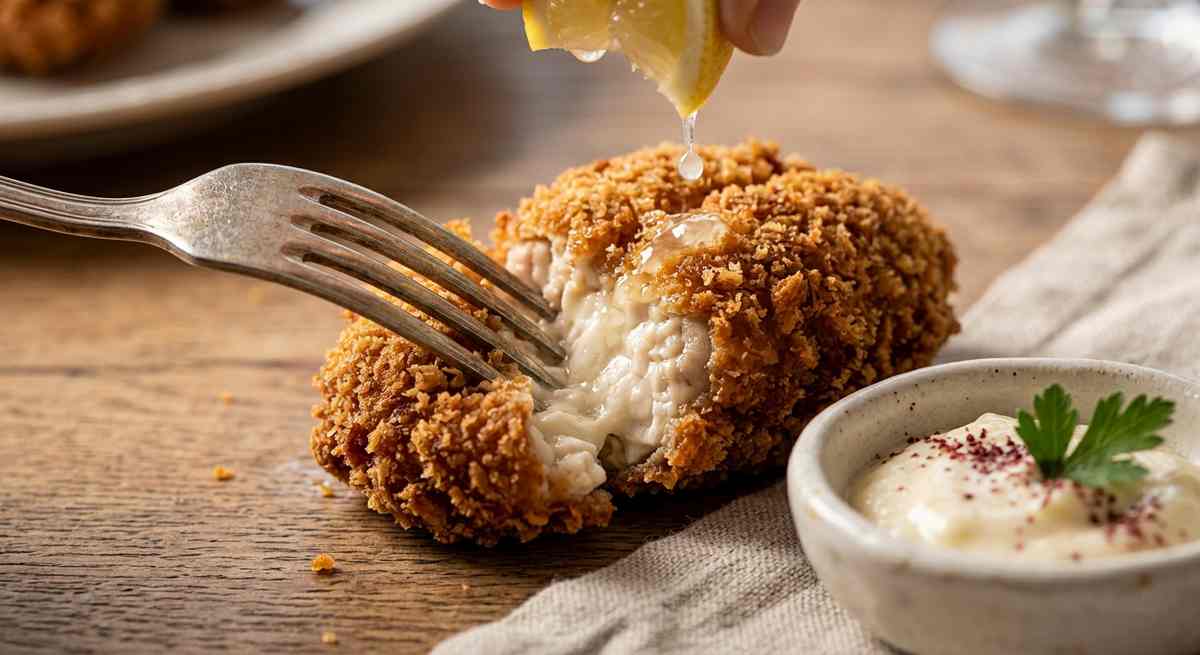
Fried lamb brain (Mokh Maqli) — crispy golden exterior reveals a soft, velvety, custard-like interior.
Cultural Significance and Nutritional Value
Mokh is a testament to the deep-rooted “waste-not” philosophy prevalent in Middle Eastern culinary traditions. Every part of the animal is valued and transformed into something delicious. While it may be an “extreme” food to outsiders, it is a normal and even luxurious ingredient for many.
Nutritionally, brain is high in protein and an excellent source of Omega-3 fatty acids, phospholipids, and choline. However, it is also very high in cholesterol, so it is often enjoyed in moderation.
If you are an adventurous eater looking to explore Middle Eastern cuisine, Mokh is an excellent starting point — far less intimidating than other delicacies.
For more information on offal and food safety, check out WHO’s food safety guidelines.
Key Takeaways:
• Mokh is lamb or calf brain — a Middle Eastern delicacy (Lebanon, Iran, Iraq)
• Texture: unbelievably soft, creamy, melts in mouth — like silken tofu or pâté
• Flavor: very subtle, mildly sweet — no strong or gamey “offal” taste
• Most common preparation: Mokh Maqli (fried until crispy outside, creamy inside)
• Served with fresh lemon juice, warm pita, onions, radishes, and garlic sauce (Toum)
• High in protein and Omega-3s, but also high in cholesterol
Ready to Try This Creamy Middle Eastern Delicacy?
Follow EatSleepPush for more extreme food guides from around the world.