
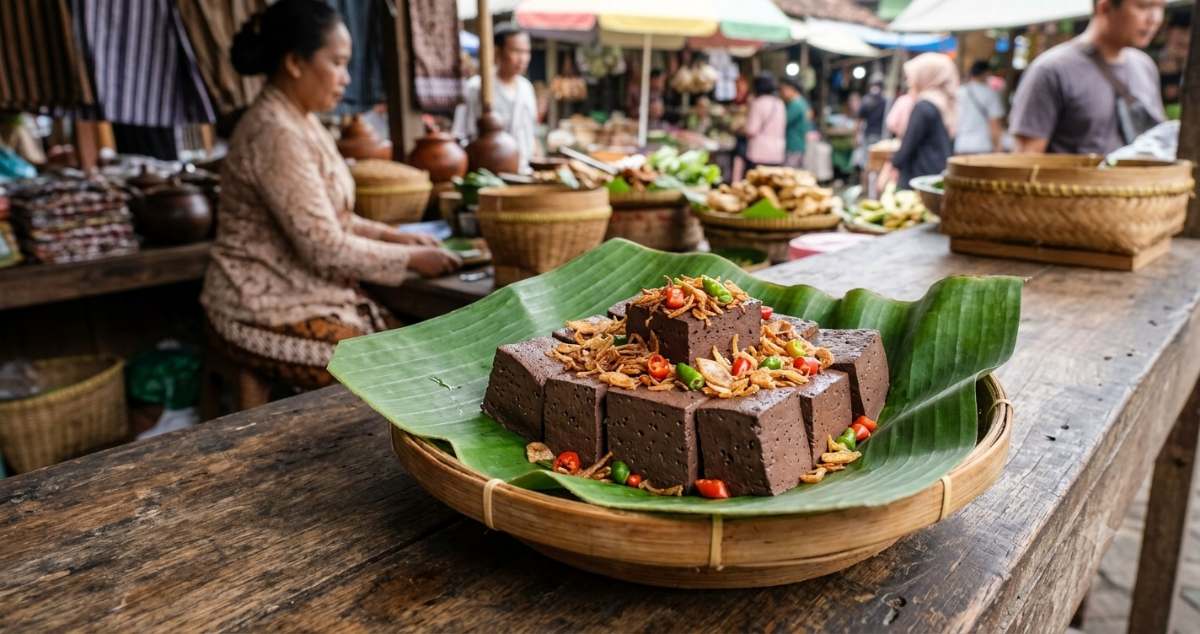
In the heart of Java and the spiritual island of Bali, locals have mastered the art of transforming simple ingredients into extraordinary dishes. One of their most unique creations is Saren (in Java) or Dideh (in Bali)—a traditional delicacy made from steamed animal blood. While the concept of eating congealed blood might sound extreme to outsiders, this dish has been a beloved part of Indonesian cuisine for centuries. The texture is surprisingly similar to firm liver, with a rich, mineral flavor that locals absolutely adore.
For those intrigued by other traditional protein-rich dishes from around the world, balut from the Philippines or sannakji from South Korea offer similarly adventurous eating experiences.
So, what exactly is Saren or Dideh? This dish starts with fresh animal blood—typically from chicken, duck, or cattle. The blood is mixed with simple seasonings like salt, garlic, and sometimes coconut milk, then steamed until it sets into a firm, cake-like block. The result is a dense, dark brown delicacy with a smooth yet slightly springy texture. Many locals describe it as tasting like a more flavorful version of liver, with a subtle iron-rich taste that pairs perfectly with spicy sambal.
In Java, people often fry the steamed blood cake with shallots and chili for extra flavor. In Bali, it’s commonly served as part of lawar, a traditional Balinese salad mixed with grated coconut and spices. If you enjoy dishes with rich, savory flavors, you might also want to explore lamb brain from the Middle East or bird’s nest soup from China.
To learn more about Indonesia’s rich culinary heritage, visit the official Indonesia tourism website’s culinary guide.
Key Insight: Saren and Dideh represent the Indonesian philosophy of “no waste”—transforming every part of the animal into something nutritious and delicious, a practice deeply rooted in sustainable cooking traditions.
How Saren and Dideh Are Made
The preparation of this traditional blood cake is a simple yet precise process. Here’s how it typically happens:
- Step 1: First, fresh animal blood is collected immediately after slaughter to ensure it doesn’t coagulate prematurely.
- Step 2: Then, the blood is mixed with fine salt, crushed garlic, and ground pepper. Some recipes include grated coconut or coconut milk for added richness.
- Step 3: Next, the mixture is poured into a square or rectangular mold, traditionally made from bamboo or banana leaves.
- Step 4: After that, it’s steamed over medium heat until the blood fully sets into a firm, jelly-like block.
- Step 5: Finally, the cooled blood cake is sliced into cubes or rectangles and served fresh, often fried or added to other dishes.
For other traditional dishes that use simple preservation techniques, explore surströmming from Sweden or fermented shark from Iceland.
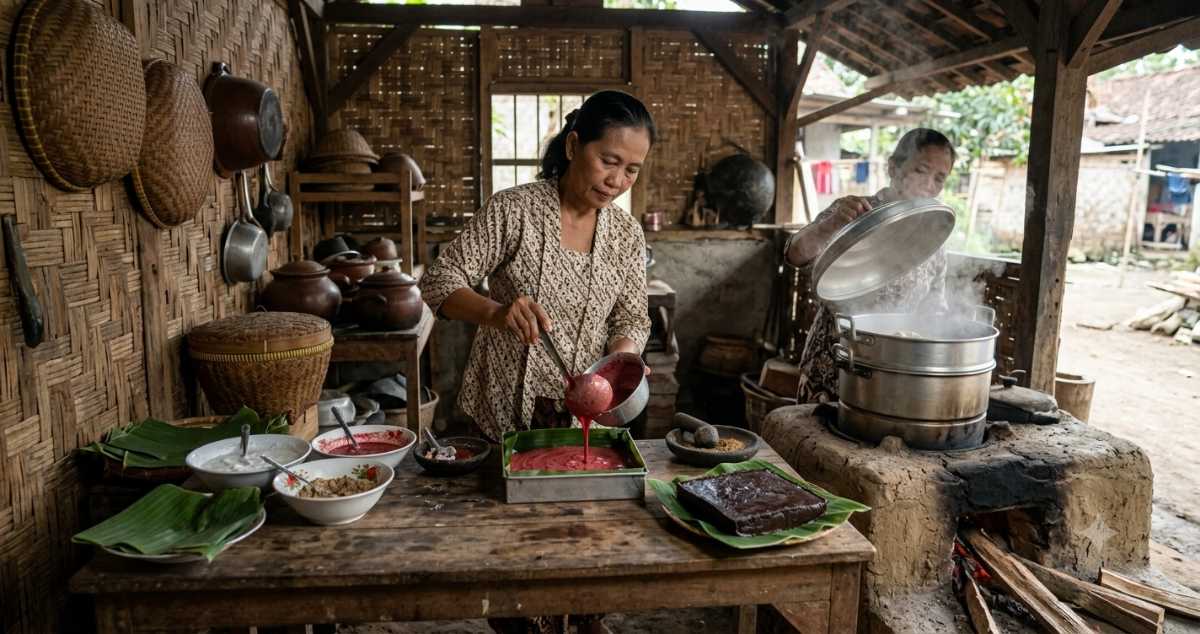
— pouring fresh blood mixture into traditional bamboo molds before steaming.
What Does Saren Taste Like?
If you’ve never tried blood-based food before, Saren might surprise you. The texture is the first thing you’ll notice—firm but tender, similar to a well-made liver pâté or a firm tofu. When you bite into it, the cake yields slightly before breaking apart, revealing a smooth, almost creamy interior.
The flavor is rich and savory, with a distinct mineral note that comes naturally from the blood. Think of it as a concentrated version of the dark meat of poultry, but deeper and more complex. The seasonings—garlic, salt, and sometimes coconut milk—enhance the natural umami without overwhelming it. When fried, the outside becomes crispy while the inside stays tender, creating a delightful contrast in every bite.
For a truly authentic experience, Balinese locals serve Dideh alongside lawar, a spicy salad of grated coconut, chili, and herbs. The combination of textures and flavors is simply unforgettable. If you appreciate bold, savory flavors, you might also enjoy dawa from Kenya or natto from Japan.
The Cultural Significance of Blood Cake in Java and Bali
For the Javanese and Balinese people, Saren and Dideh are more than just food—they represent a deep-rooted philosophy of sustainability and respect for life. In traditional Javanese culture, using every part of the animal is considered a form of gratitude and respect. Nothing goes to waste.
In Java, Saren often appears in traditional rituals and celebrations, served alongside other dishes at communal feasts. The dish is especially popular in rural areas where livestock raising is common. In Bali, Dideh plays an essential role in lawar, a dish that’s central to Balinese ceremonies and temple offerings. The Balinese believe that consuming blood-based foods helps maintain balance and strength.
These traditions have survived for centuries, passed down through generations. Even today, you’ll find Saren and Dideh in traditional markets, family-owned warungs, and during cultural celebrations across both islands. For other traditional foods with deep cultural meaning, explore chicha de jora from Peru or lasima from Gaza.
For more insights on Indonesian culinary traditions, read BBC Travel’s article on Indonesian food sustainability.
Where to Find Saren and Dideh
Looking to try this unique delicacy? Here are the best places to find it:
- Java: Traditional markets like Pasar Beringharjo in Yogyakarta or Pasar Klewer in Solo sell fresh Saren daily.
- Bali: Traditional markets such as Pasar Badung in Denpasar and Pasar Sukawati in Gianyar offer Dideh, often already mixed into lawar.
- Warungs (local eateries): Many family-run restaurants across Java and Bali serve Saren or Dideh as part of their daily menu.
- Food tours: Some culinary tour operators in Yogyakarta and Ubud include Saren/Dideh in their extreme food experiences.
Prices are very affordable, typically ranging from IDR 5,000 to IDR 15,000 ($0.35-$1) for a portion. Always choose clean, reputable vendors for the best experience.
If you’re planning a food tour of Indonesia, don’t miss belalang goreng from Yogyakarta or paniki from North Sulawesi.
Important Note: Saren and Dideh are made from fresh animal blood. Ensure you consume them from reputable vendors who maintain strict hygiene standards. Proper steaming at high temperatures is essential to eliminate any harmful bacteria. Always choose freshly prepared products and consume them soon after purchase.
Key Takeaways:
• Saren (Java) and Dideh (Bali) are traditional Indonesian dishes made from steamed animal blood.
• The texture is firm and similar to liver, with a rich, mineral flavor.
• The blood is mixed with salt, garlic, and sometimes coconut milk before steaming.
• These dishes represent the Indonesian philosophy of sustainability and using every part of the animal.
• You can find Saren and Dideh in traditional markets and local eateries across Java and Bali.
• Always choose reputable vendors and ensure proper preparation for safety.
Ready to explore more unique Indonesian cuisine?
Follow EatSleepPush for more adventurous food guides from around the world.