
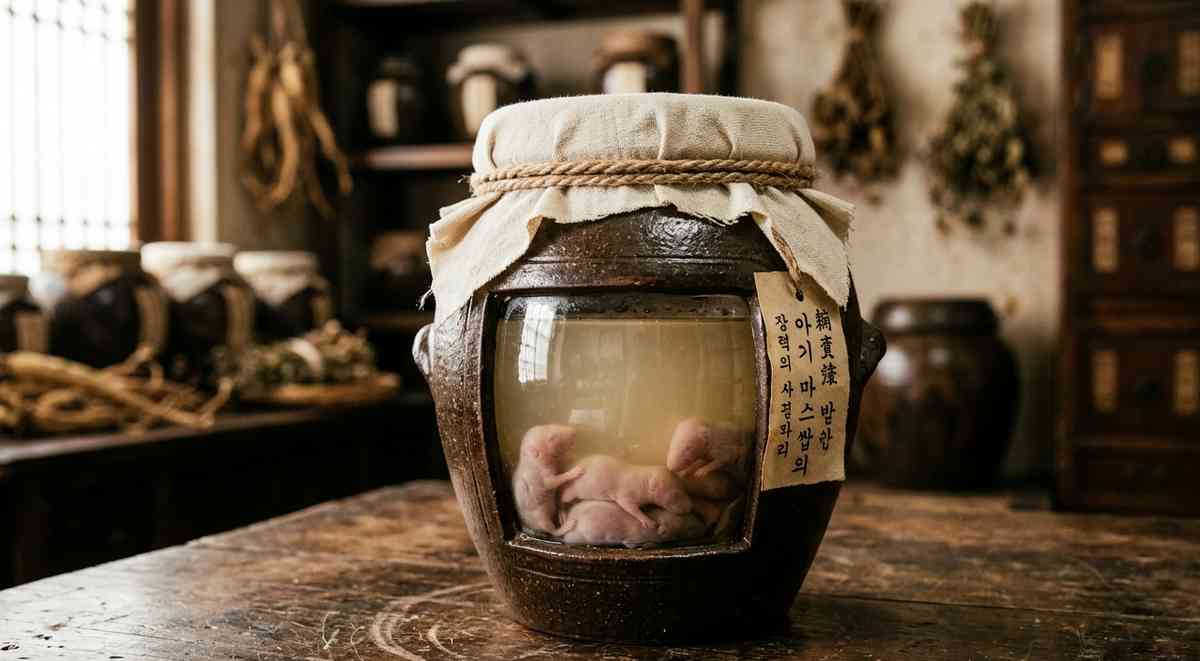
Baby mouse wine ranks among the world’s most shocking traditional remedies. People make this rice wine by adding newborn mice to the liquid. The mice are only a few days old. In parts of China and Korea, locals have drunk this strange beverage for centuries. They believe it can cure colds, boost energy, and heal broken bones. Whether you call it “baby mouse wine” or “baby rat liquor,” this drink remains one of Asia’s most controversial folk remedies.
First, makers collect very young mice. These mice are usually less than 3 days old. Then, they place the live mice into a jar of rice wine. After that, they seal the jar tightly. Finally, they store it in a cool, dark place for several months or even years. Over time, the alcohol preserves the mice. The liquid becomes cloudy. Some people believe longer fermentation creates stronger healing effects. However, science does not support this claim.
For those interested in other extreme traditional remedies, try snake wine from Vietnam or civet coffee from Indonesia.
Want to learn more about traditional Chinese medicine? Read National Geographic’s article on TCM or explore BBC’s feature on unusual folk medicines.
Key Insight: No scientific evidence proves that baby mouse wine offers any healing benefits. Health experts strongly warn people not to drink it due to serious infection risks.
How Baby Mouse Wine Is Made
Here is the step-by-step process:
- Step 1: The maker prepares a jar of rice wine. This is usually a strong white liquor from fermented rice, typically 30-50% alcohol.
- Step 2: The maker collects newborn mice. They are less than 3 days old and still have pink, hairless skin.
- Step 3: The maker places the mice alive into the jar. Then they seal it tightly.
- Step 4: The maker stores the jar in a cool, dark place. Fermentation takes 3 months to several years. Some families pass down these jars for generations.
- Step 5: Finally, the maker strains the liquid. Some people remove the mice, while others leave them as “proof” of authenticity. The resulting drink has a cloudy, yellowish color and a strong, gamey taste.
For other extreme fermented drinks, explore surströmming from Sweden or shiokara from Japan.
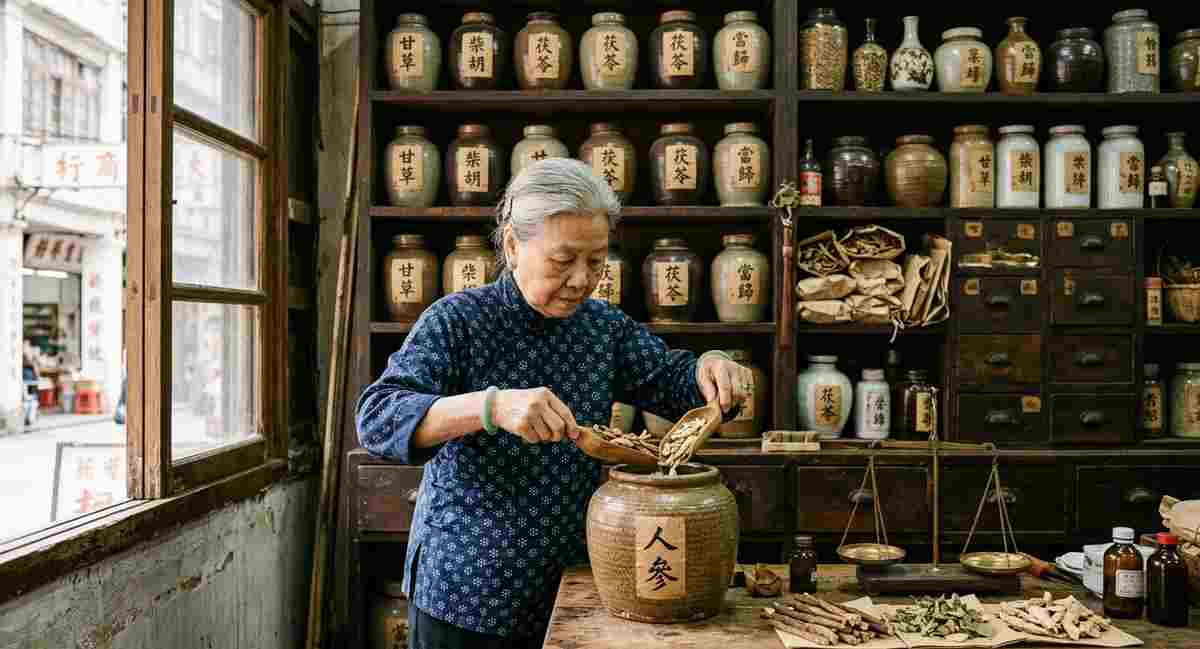
— newborn mice going into rice wine inside a ceramic jar.
Traditional Health Beliefs
In traditional Chinese medicine (TCM) and Korean folk medicine, people believe this fermented rodent drink offers several health benefits. Supporters of baby mouse wine claim it can:
- Fight cold and flu symptoms
- Boost energy and stamina
- Improve blood flow
- Help heal broken bones
- Reduce body aches and joint pain
- Treat skin problems like eczema
In Korea, people sometimes call this remedy “soju with baby mice”. Rural communities believe younger mice have stronger healing power. However, modern science does not support these claims.
Is Baby Mouse Wine Safe?
Health experts strongly advise against drinking baby mouse wine. Here’s why:
- Bacterial infection: Mice can carry harmful bacteria like Salmonella and Leptospira. Alcohol does not kill all germs.
- Viral risks: Rodents can carry Hantavirus, which is dangerous for humans.
- Parasites: Mice may contain parasites that survive in alcohol.
- No scientific proof: Studies show zero medical benefits. All claims come from folklore, not evidence.
Medical Warning: The World Health Organization (WHO) and CDC do not recognize baby mouse wine as a safe or effective treatment. Do not drink this product. Always seek professional medical advice for any health condition.
Where to Find Baby Mouse Wine
China: You can find it in rural parts of southern China, especially Guangdong and Guangxi provinces. Some traditional medicine shops may offer baby mouse wine, but it is becoming rare.
Korea: In rural farming communities, some older generations still make baby mouse wine at home. You will not find it in regular stores or restaurants.
Modern availability: Many countries have banned this fermented rice wine due to food safety laws. You cannot buy baby mouse wine commercially in the US, EU, Australia, or Japan. Some online forums discuss homemade versions, but health experts strongly discourage this for safety reasons.
Important note: Do not try to make or buy this product. It is unsafe and potentially deadly.
For other traditional Asian drinks, read about dawa cocktail from Kenya or snake wine from Vietnam.
For scientific information on food safety and traditional remedies, check out WHO’s food safety guidelines.
Key Takeaways:
• Baby mouse wine is rice wine mixed with newborn mice (less than 3 days old)
• People use it in Chinese and Korean folk medicine for colds, energy, and broken bones
• No scientific evidence supports any health benefits
• Serious health risks include bacterial infection, viruses, and parasites
• Many countries have banned this product including US, EU, Australia, and Japan
• You can only find it in rural parts of China and Korea — not in stores
• Medical experts strongly warn against drinking it
Ready to learn about more extreme traditional remedies?
Follow EatSleepPush for more extreme food and drink guides from around the world.